
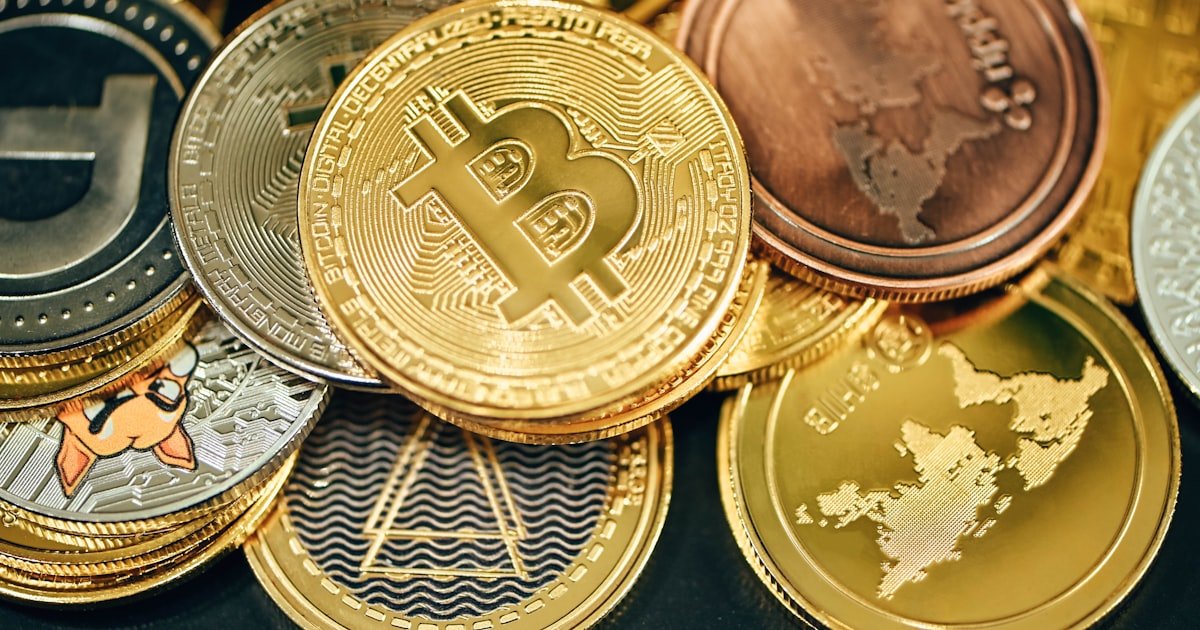
US spot Bitcoin ETFs just posted their strongest weekly inflow since April — pulling in $853.54 million for the week ended August 7, according to SoSoValue data. The surge is notable not just for its size, but for its timing: it landed the same week hackers exploited a firmware flaw to drain over $70 million (now nearing $130 million) from Coldcard hardware wallets.
💰 The Numbers
| Metric | Figure |
|---|---|
| Total weekly Bitcoin ETF inflow | $853.54 million |
| BlackRock’s IBIT share | ~$693 million (the bulk) |
| Combined BTC + ETH ETF inflows | $1.1 billion |
| Ethereum ETF inflows | ~$245 million |
| Total Bitcoin ETF assets under management | ~$80 billion |
| Cumulative net inflows since launch | $51.8–52 billion |
🔥 Why the Timing Matters
BlackRock told Bloomberg it has “seen consistently” that Bitcoin ETF investors are buying and holding BTC “long term” through this downturn — and that pattern held even as the Coldcard hack rattled the community that typically champions self-custody and cold storage. If anything, the hack may be reinforcing the ETF pitch: exposure to Bitcoin’s price without the operational risk of managing your own private keys.
📊 The Bigger Picture
This single week doesn’t erase a rough 2026 for the category — Bitcoin ETFs remain roughly $4.5 billion in the red year-to-date after heavy outflows during the first half of the year, when BTC fell 33% to below $60,000 by the end of June. Between May and June alone, the funds lost more than $8.2 billion in net assets.
Bitcoin has since rallied more than 13% off its July 1 low of $57,750, trading in the mid-$64,000s to $66,300 range through the inflow streak.
🔮 What’s Next
The next major catalyst is July’s US CPI data, due August 12. Softer-than-expected inflation could support continued institutional buying and further rate-cut bets from the Fed; a hot print could reverse this week’s momentum quickly.
Disclaimer: This article is for informational purposes only and does not constitute investment advice. Cryptocurrency and ETF investments carry significant risk. Consult a licensed financial advisor before making investment decisions.
]]>

Leave a Reply